
Roof Claim Denied? Here’s What Actually Works
Opening a denial letter after a storm is a gut punch. You’ve got real damage, a real leak, or a real dent pattern on your shingles, and a piece of paper telling you it’s not covered. Take a breath: a denial is a decision, not a final verdict. Insurance policies in Texas build in ways to push back, and a lot of homeowners who got denied the first time ended up with an approved, paid claim later. Here’s what that path actually looks like.
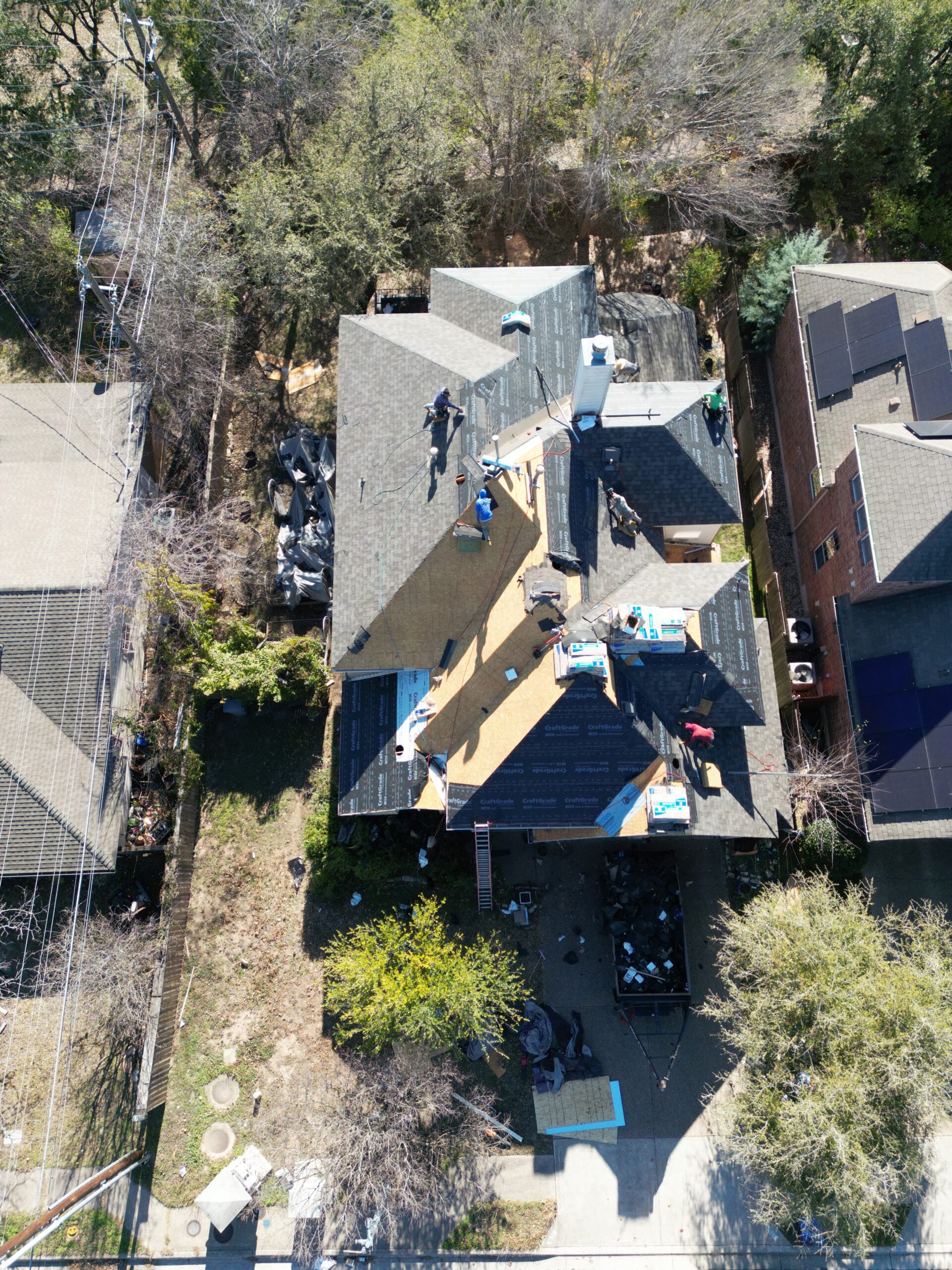
A denial letter isn’t always the last word
It feels final because it’s printed on official letterhead and uses words like “we regret to inform you.” But most homeowners insurance policies have a built-in path for disagreement: re-inspection, appeal, or a formal process called appraisal (more on that below). Denials get overturned more often than people expect, especially when new documentation gets added to the file. The goal of this guide is simple: help you understand why claims get denied, and what steps actually move the needle afterward.
Why roof claims get denied: the common reasons
Not enough documentation
If the adjuster’s report doesn’t clearly show storm damage (close-up photos, measurements, a clear pattern of hail hits or wind lift), the claim can get denied simply because the file doesn’t make the case. This is the single most fixable reason on this list.
The “cosmetic damage” label
Some policies exclude damage the insurer calls purely cosmetic: dents or marks that, in their view, don’t affect how the roof performs. Where the line falls between cosmetic and functional damage is exactly where a lot of claims get argued, and it depends heavily on your specific policy language. This is worth reading closely, we’ve put together a separate guide on what Texas roof insurance policies actually cover if you want the fine print explained in plain English.
Wear-and-tear vs. storm damage
Insurers only cover sudden, storm-caused damage, not the slow aging every roof goes through. If an adjuster decides what they’re looking at is age and wear rather than a specific storm event, the claim gets denied on that basis. This is a judgment call, and judgment calls can be revisited with better evidence.
A missed filing window
Policies set deadlines for reporting damage after a storm. Roof damage isn’t always obvious from the ground, so it’s common for homeowners to file later than they realized, sometimes past the window their policy allows.
The adjuster saw it on a bad day
Adjusters often cover dozens of roofs in a single day, sometimes in poor light, rain, or from the ground with binoculars instead of getting up on the roof. A rushed 15-minute look can miss damage that’s obvious once someone is standing right next to it.
What to do after a denial: step by step
Step 1: Get the denial in writing, with the specific reason
Don’t settle for a verbal explanation over the phone. Ask for the denial letter or claim notes that state the exact reason coverage was denied. You can’t respond effectively to “the damage isn’t covered.” You need to know if it’s a cosmetic exclusion, a wear-and-tear determination, a filing deadline, or something else. The specific reason tells you exactly what to push back on.

Step 2: Get an independent professional inspection, with photo documentation
This is the step that changes outcomes most often. A roofer who gets up on the roof, photographs every damaged spot, measures hail impacts, and documents the pattern gives you something the original file may not have had: real evidence. We offer free inspections and document everything we find (every angle, every impact, dated and organized) so you have something concrete to bring back to your insurer.
Step 3: Request a re-inspection, and have your roofer meet the adjuster on-site
Most insurers allow you to request a second look. This is where having your roofer physically walk the roof with the adjuster matters: pointing out specific damage, comparing notes, and making sure nothing gets missed a second time. We meet adjusters on-site regularly and walk them through the same evidence our inspection turned up. It’s a much different conversation than a homeowner alone trying to describe damage over the phone.
Step 4: Know about the appraisal clause
Most Texas homeowners policies include an appraisal clause: a formal process where you and the insurer each hire an independent appraiser to assess the damage and agree on the value. If the two appraisers disagree, a neutral umpire settles it. It’s a built-in dispute path that doesn’t require a lawsuit, and it’s worth asking your agent about if a re-inspection doesn’t resolve things.
Step 5: If you feel you’re being treated unfairly, contact the Texas Department of Insurance
The Texas Department of Insurance oversees how insurers are supposed to handle claims in this state. If you believe your claim was mishandled, delayed without reason, or denied unfairly, you can file a complaint at tdi.texas.gov. It’s free, and complaints get tracked against each insurer’s record.
For complex or high-value disputes, a licensed public adjuster or an attorney who handles insurance claims can be a reasonable option. They represent your interests directly in negotiations with the insurer. We’re not either of those, and we don’t negotiate claims on your behalf; what we bring is the roof-level documentation that makes any of those paths stronger.
Real Austin-area homeowners who got denied, and didn’t stop there
We’ve walked this process with real customers, and results always depend on the specific policy and damage. There’s no guaranteed outcome. But two stories show what persistence and documentation can do:
- Yulonda, South Austin. Denied three times before her claim was finally approved. Read what changed between the third denial and the approval in her full story.
- Ronald, Buda, TX. Two denials, then an approved claim after a re-inspection with better documentation. His account is here: Roof Insurance Claim Denied in Buda, TX.
You can see more completed roofs and the documentation standard we bring to every job in our project portfolio.
Where we fit in
We’re not public adjusters and we don’t negotiate or fight your claim. No roofing company legally can. What we do is document the damage on your roof thoroughly, meet your adjuster on-site to walk the same evidence together, and guide you through the re-inspection or appeal process step by step. A denial often comes down to what the insurer’s file shows, and a careful, well-documented inspection is usually the thing that changes it.
Denied claim? Get a second set of eyes on your roof, free.
Call or text (857) 237-1884, Rush Builders Roofing and Solar, Pflugerville, TX. Se Habla Español.
